
Wisdom Teeth Extractions Cambridge
Removal of impacted or crowded wisdom teeth.
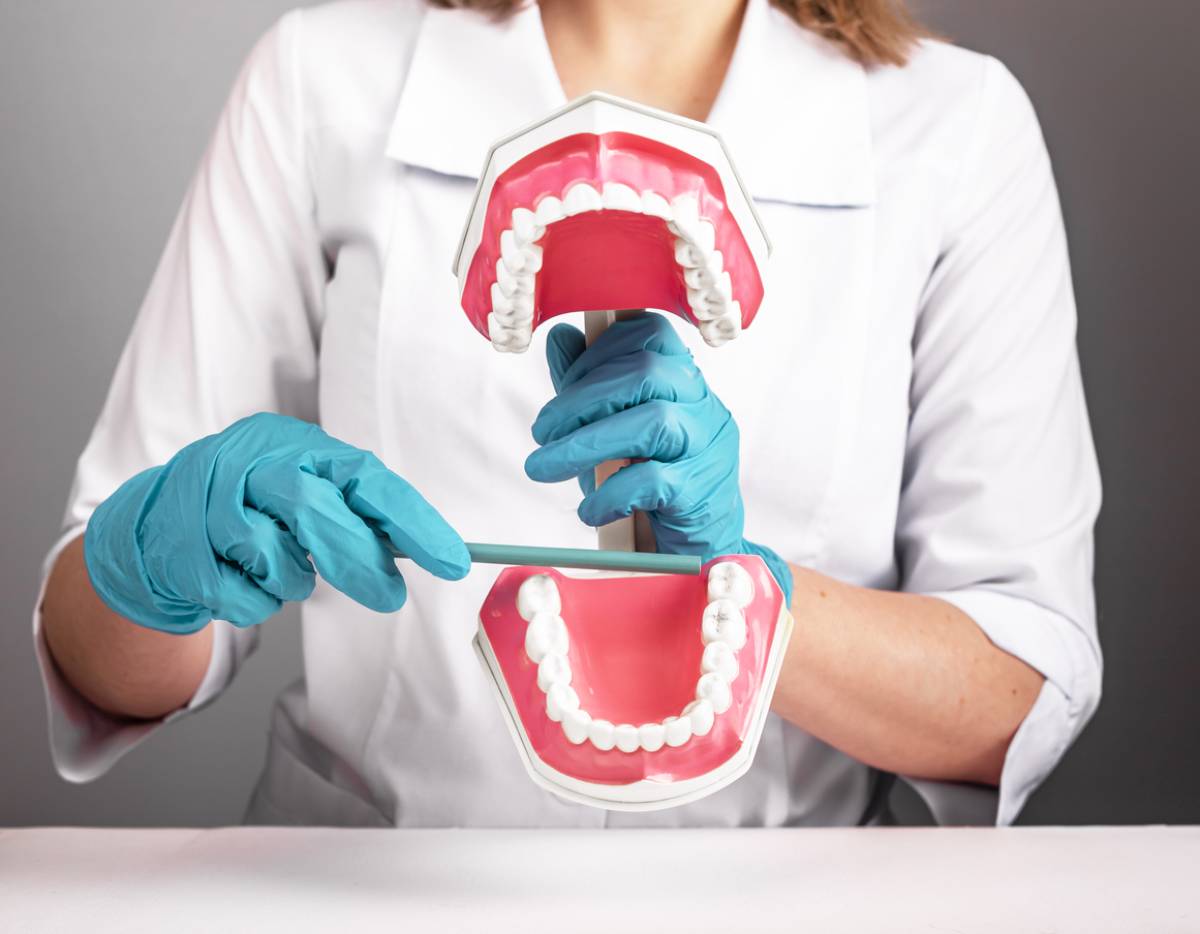
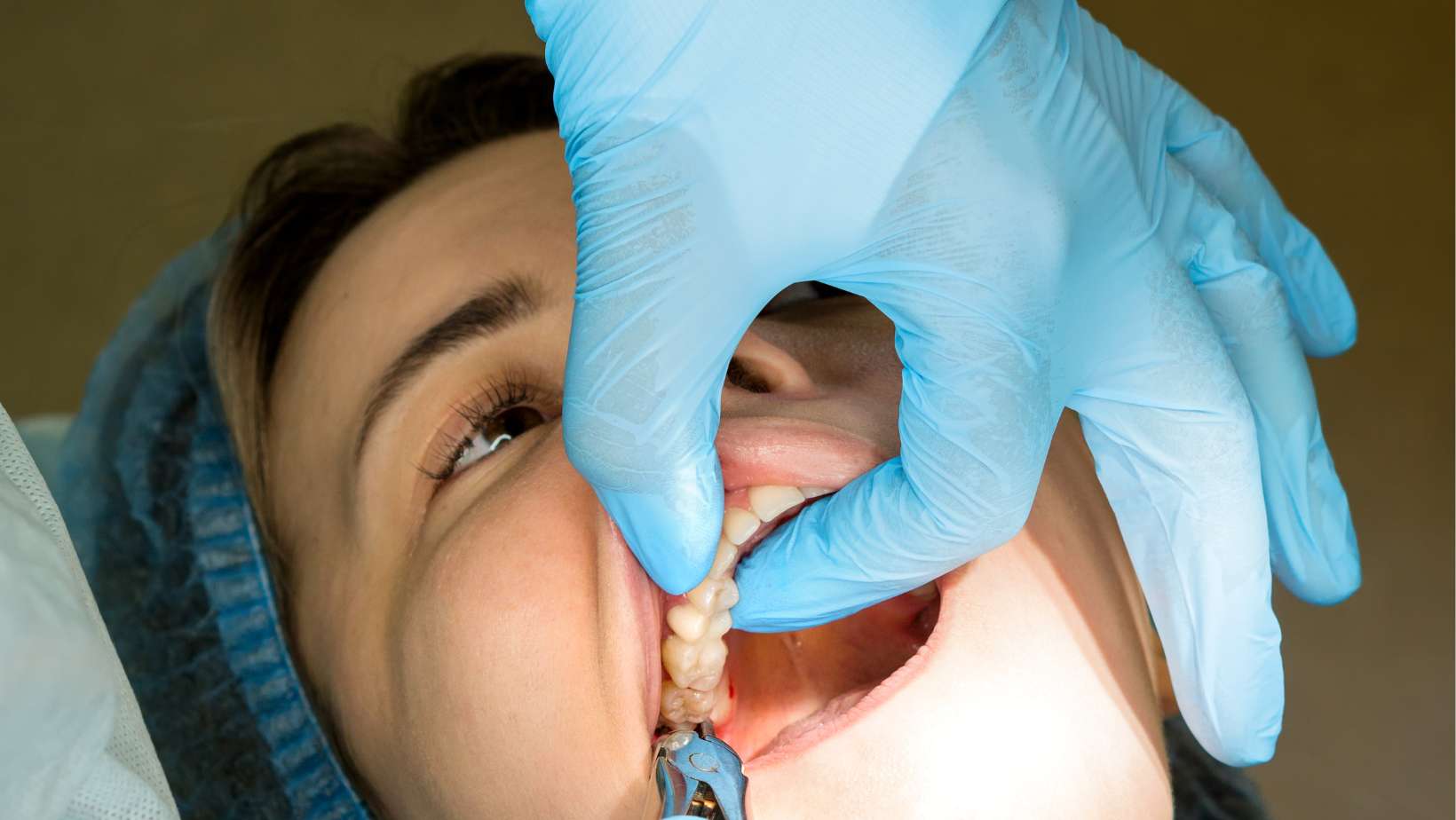
At Dental Art Clinic, we understand that wisdom teeth can sometimes cause discomfort, pain, or other oral health issues. Our team provides wisdom tooth removal, with attention to a safe and comfortable procedure to protect your oral health. Whether you’re experiencing pain, crowding, or other complications, we’re here to provide the care you need.
If you’re in need of wisdom tooth extraction, call us today at 519-624-8767 to schedule a consultation.
What Are the Wisdom Teeth?
At least 5 million people have their wisdom teeth emerge every year, causing pain and discomfort.
These wisdom teeth are a third and final pair of molars which appear in the back of the mouth. They are called the wisdom teeth because they do not emerge until the late teens or early twenties.
Signs You May Need Wisdom Tooth Removal
Not everyone needs their wisdom teeth removed, but you should consult a dentist if you experience:
- Pain or swelling in the back of your mouth.
- Difficulty opening your mouth or chewing.
- Red, swollen, or bleeding gums near the wisdom teeth.
- Persistent bad breath or an unpleasant taste.
- Crowding or shifting of other teeth.
At Dental Art Clinic, our experienced team will assess your situation and recommend whether tooth extraction is the right solution.
Our Wisdom Tooth Extraction Process
We strive to make the wisdom tooth removal process as smooth and comfortable as possible. Here’s what you can expect:
Your journey begins with a thorough examination, including X-rays, to determine the position and condition of your wisdom teeth. We’ll discuss your options and answer any questions you may have.
Before the procedure, we ensure your comfort by administering local anesthesia or sedation, depending on your preferences and the complexity of the extraction.
- If the wisdom tooth has fully erupted, we’ll perform a simple extraction by loosening and removing it.
- For impacted wisdom teeth, a minor surgical procedure may be required to access and remove the tooth.
Our skilled team uses gentle techniques to minimize discomfort and ensure a successful procedure.
After the extraction, we’ll provide detailed aftercare instructions to promote healing. This includes managing swelling, maintaining oral hygiene, and dietary recommendations.
Benefits of Wisdom Tooth Removal
Removing problematic wisdom teeth can provide several benefits, including:
- Pain Relief: Alleviate discomfort caused by impaction or overcrowding.
- Preventing Damage: Protect surrounding teeth and bone from damage or misalignment.
- Reduced Risk of Infection: Eliminate the risk of decay or gum infections in hard-to-reach wisdom teeth.
- Improved Oral Health: Create a healthier environment for your teeth and gums.
Wisdom Tooth Removal Recovery Tips
After your tooth extraction, proper care is essential for a smooth recovery:
- Control Bleeding: Bite down gently on a gauze pad to stop bleeding.
- Manage Swelling: Apply an ice pack to the outside of your cheek for the first 24 hours.
- Follow Dietary Guidelines: Stick to soft foods and avoid hot, spicy, or crunchy items.
- Avoid Smoking or Straws: These can disrupt the healing process.
- Keep the Area Clean: Rinse gently with warm saltwater, but avoid vigorous rinsing or spitting.
If you experience severe pain, prolonged bleeding, or other concerns, contact us immediately for assistance.
Why Choose Dental Art Clinic for Wisdom Tooth Removal in Cambridge?
At Dental Art Clinic, we prioritize your comfort and safety throughout every step of the procedure. Here’s why patients trust us for wisdom tooth extractions:
- Experienced Team: Our dentists have extensive expertise in wisdom tooth removal, ensuring a precise and gentle approach.
- Advanced Technology: We use modern diagnostic tools and techniques for safe, efficient extractions.
- Patient-Focused Care: We understand that tooth extractions can feel intimidating, so we take the time to explain every step and provide personalized support.
Sedation Options For patients with anxiety or complex cases, we offer conscious sedation to help you stay relaxed.
FAQs About Wisdom Tooth Removal
Thanks to local anesthesia and sedation options, the procedure itself is not painful. You may experience some soreness during recovery, but this is manageable with prescribed pain relief and aftercare instructions.
Most patients recover within 3-7 days. Full healing of the extraction site may take a few weeks.
No. Wisdom teeth that are healthy, properly aligned, and fully erupted may not require extraction. Our team will evaluate your specific situation to determine the best course of action.
Untreated issues can lead to pain, infections, cysts, damage to neighboring teeth, and even shifting of your bite. Prompt removal is often the best way to prevent complications.
Do all four have to come out at once?
Not necessarily. Some people prefer to have all four done in one appointment and one recovery; others do one side at a time so they can still chew comfortably. Both are reasonable.
How long will I need off work?
Most people take one to three days. Desk work is usually manageable sooner than physical work.
Will I have a lot of swelling?
Some swelling is normal and typically peaks around the second or third day. Ice in the first 24 hours makes a real difference to how much you get.
What can I eat afterwards?
Soft, cool food for the first day or two: yoghurt, eggs, soup that is not hot, mashed potato. Avoid anything with small seeds or grains that can get into the socket, and no straws.
Can I be sedated for it?
Conscious sedation is available. Tell us when you book so we can plan the appointment and explain what you need to do beforehand, including arranging someone to take you home.
Why wisdom teeth cause problems
Wisdom teeth arrive last, usually between 17 and 25, and often there is not room left for them. A tooth that cannot come through fully is called impacted. It may sit at an angle against the tooth in front, or stay partly covered by gum, which leaves a flap that traps food and is difficult to clean.
Not every wisdom tooth needs removing. One that has come through straight, functions in the bite and can be cleaned is best left alone. Removal is for teeth causing problems or clearly heading that way.
Reasons for removal
- Repeated infection of the gum over a partly erupted tooth.
- Decay in the wisdom tooth or in the tooth in front, where cleaning is impossible.
- A cyst forming around an unerupted tooth.
- Damage to the root of the neighbouring tooth.
- Pain or swelling that keeps returning.
What the procedure involves
Most wisdom teeth are removed under local anaesthetic, so you are awake but the area is fully numb. You will feel pressure and movement, which is normal, but not pain. Conscious sedation is available if you would prefer it.
A tooth that has come through can often be lifted out directly. An impacted tooth usually needs a small incision in the gum, sometimes the removal of a little bone, and often sectioning the tooth to bring it out in pieces, which is gentler on the surrounding bone than removing it whole. Stitches are often placed, and are usually the dissolving kind.
Recovery, day by day
- First 24 hours. Bite on the gauze for the first half hour. Ice on the outside of the face, 20 minutes on and 20 off. Rest, and keep your head raised. Do not rinse, spit, smoke, or use a straw. All of them can dislodge the clot.
- Days 2 to 3. Swelling usually peaks here, then starts to ease. Begin gentle warm salt-water rinses. Soft food. Keep brushing your other teeth.
- Days 4 to 7. Steady improvement. You can usually return to normal activity, though not heavy exercise.
- Week 2 onwards. The socket closes over. Full bone healing underneath takes months, but you will not notice it.
Contact us if pain gets worse from about day three rather than better, particularly a deep ache spreading towards the ear with a bad taste. That suggests a dry socket, where the clot has been lost, and it is straightforward to treat but does need seeing.
What wisdom tooth removal costs in Ontario
Ontario dentists set their own fees, and most use the Ontario Dental Association's annual Suggested Fee Guide as a reference point. The fee for any given treatment depends on how much work is involved, the materials used, and whether anything else needs doing first, so a written estimate after an examination is the only figure worth relying on.
The fee depends on whether the tooth is erupted or impacted and how much bone is involved, so an X-ray comes before any estimate. We will give you a written treatment plan with the fee codes before anything goes ahead, so you can send it to your insurer for a pre-determination and know what you will be paying before you commit.
If you are covered by the Canadian Dental Care Plan, we are a participating provider and can bill the CDCP directly. If you have workplace or private insurance, we can submit the claim for you. Ask us about payment options if you would rather spread the cost.
Schedule Your Wisdom Tooth Removal in Cambridge
Don’t let problematic wisdom teeth affect your oral health and comfort. At Dental Art Clinic, we’re here to provide gentle, professional care every step of the way.
Call us at 519-624-8767 to schedule your consultation or visit our clinic in Cambridge, ON. Let us help you protect your smile and maintain your oral health!
Associations



Ready to book your visit?
Call 519-624-8767 or request an appointment online — we'll confirm a time that works for you.
Request an appointment