
Preventive Dentistry Cambridge
Care aimed at stopping decay and gum disease before treatment is needed.
The Power of Prevention in Oral Health
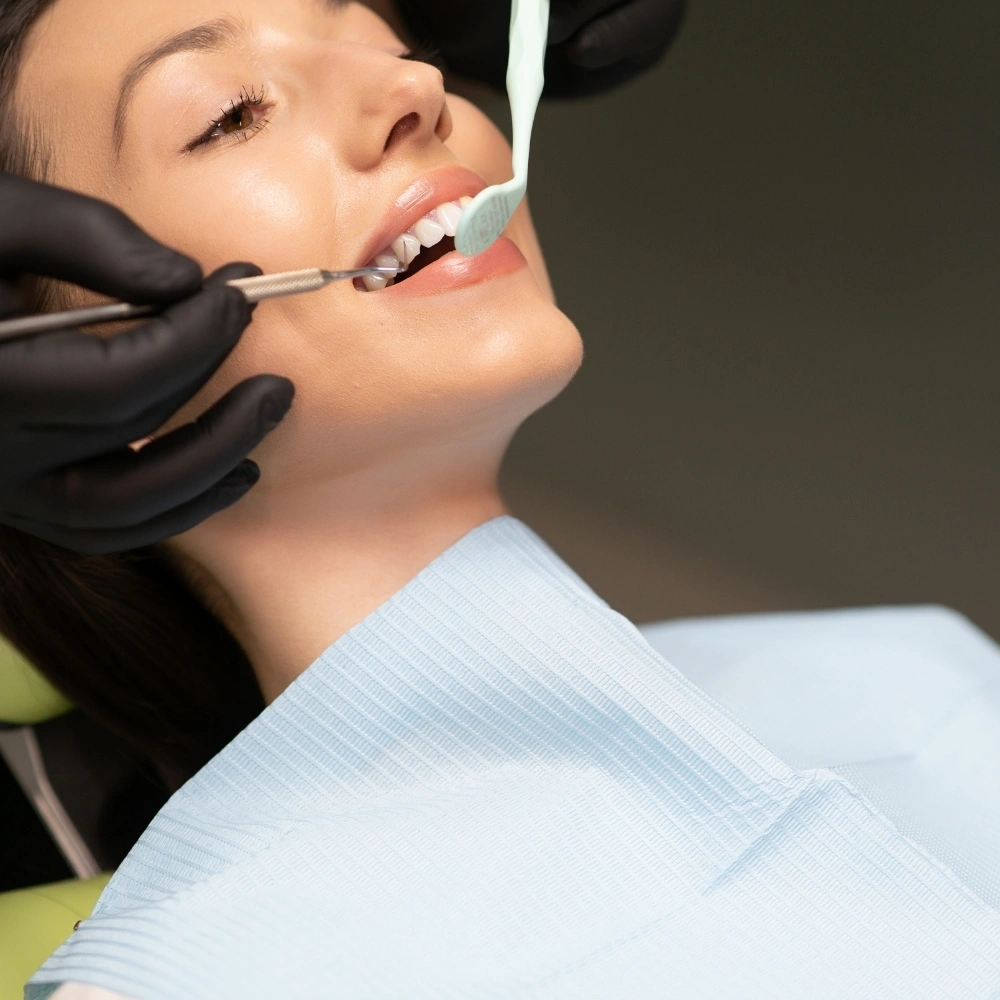
A healthy, lasting smile starts with prevention. We focus on proactive care to help you avoid common dental problems like cavities, gum disease, and enamel erosion. Preventive dentistry is not just about maintaining your teeth; it’s about protecting your overall health and well-being for the future.
Our trusted dental office offers a full range of preventive services designed to keep your teeth strong, your gums healthy, and your smile beautiful. From professional cleanings to fluoride treatments, our team works with you to create a tailored plan for long-term dental health.
Our Preventive Dentistry Services
Preventive dentistry combines professional care with at-home habits to stop problems before they start. At our dental clinic, we provide the following services:
Regular exams allow us to monitor your oral health, detect early signs of issues, and address them before they become more serious. Our dentists check for cavities, gum disease, bite problems, and more.
Plaque and tartar can build up over time, no matter how well you brush and floss. Our gentle, thorough cleanings help eliminate buildup, prevent gum disease, and leave your teeth feeling fresh and polished.
Fluoride is a natural mineral that strengthens tooth enamel and helps prevent cavities. Our fluoride treatment dentists use safe and effective fluoride applications to protect your teeth—especially beneficial for children, teens, and adults prone to decay.
Sealants are thin, protective coatings applied to the chewing surfaces of molars to prevent food and bacteria from getting trapped. They are an excellent option for children or adults with deep grooves in their teeth.
Regular screenings help detect any early signs of oral cancer, offering the best chance for effective treatment. Our screenings are quick and form part of your preventive exam.
Gum disease often starts silently but can lead to serious problems if left untreated. We focus on early detection and prevention, providing scaling, root planning, and personalized care to keep your gums healthy.
Why Is Preventive Dentistry So Important?
Prevention is always better than cure. Regular dental care not only protects your smile but also saves you time, discomfort, and money in the long run. Here’s how preventive dentistry can make a difference:
- Avoid Cavities and Decay: Regular fluoride treatments and cleanings reduce your risk of developing cavities.
- Prevent Gum Disease: Catching gum issues early helps avoid advanced problems like tooth loss.
- Save Money on Treatments: Preventive care is cost-effective compared to treating dental issues like root canals or extractions.
- Protect Overall Health: Oral health is connected to your overall health. Poor oral hygiene has been linked to diabetes, heart disease, and more.
- Maintain a Bright, Confident Smile: Preventive care ensures your teeth stay clean, healthy, and beautiful.
With consistent visits to our dental office and proper at-home care, you give your teeth the best chance of lasting well.
Preventive Dentistry for All Ages
At Cambridge Dental Clinic, we believe that prevention starts early but remains important at every stage of life:
- For Children: Building good habits from a young age is key. Our team provides gentle cleanings, sealants, and fluoride treatments to keep little smiles healthy.
- For Teens: As teeth develop, we focus on reinforcing strong hygiene habits and addressing any concerns like cavities or early gum inflammation.
- For Adults: Regular exams, professional cleanings, and oral cancer screenings keep your oral health on track and prevent costly issues.
- For Seniors: Preventive care becomes especially important for maintaining existing dental work and addressing age-related changes, such as gum recession or dry mouth.
How to Maintain Preventive Care at Home
Good oral health starts with consistent habits. Here are a few tips to keep your teeth and gums healthy between visits to our dental clinic:
- Brush your teeth twice daily with fluoride toothpaste.
- Floss daily to remove plaque and food particles between teeth.
- Eat a balanced diet and limit sugary foods and drinks.
- Use a fluoride mouth rinse if recommended by your dentist.
- Avoid smoking or tobacco use, as they increase the risk of gum disease and oral cancer.
- Schedule regular dental visits for exams and cleanings.
If you have any questions about your oral hygiene routine, our team is always here to help with personalized advice.
What Sets Cambridge Dental Clinic Apart?
When it comes to preventive dentistry, you deserve a dental team that focuses on care, comfort, and results. We take a unique approach to patient care by combining expertise with a personal touch.
Here’s What Makes Us Different:
- Patient-Centered Care: We take the time to listen to your concerns and provide treatments tailored to your needs, lifestyle, and goals.
- Gentle and Friendly Team: From our dentists to our hygienists, we’re committed to making your experience as comfortable and stress-free as possible.
- Modern Techniques and Tools: Our clinic uses advanced technology, including digital X-rays and fluoride treatments, to provide precise and efficient care.
- Preventive Focus: We believe prevention is the key to long-term oral health, and we partner with you to build healthy habits.
- Trusted by the Community: As a local dental office, we’re proud to provide exceptional care to families in the area.
At every visit, we aim to deliver more than just great dental care; we strive to build lasting relationships and support you on your journey to a healthier smile.
Your Partner in Preventive Oral Health
Preventive dentistry is the foundation of a healthy smile, and our team is here to support you every step of the way. Whether it’s routine exams, fluoride treatments, or personalized guidance, we’re committed to helping you protect your smile for life.
Let us help you prioritize your oral health with gentle, effective, and proactive dental care.
What prevention actually prevents
Two conditions cause the overwhelming majority of dental problems: tooth decay and gum disease. Both are caused by bacterial plaque, both develop slowly and quietly, and both are largely preventable. Most of what a preventive appointment does is find them at a stage where the response is small.
Gum disease is the one people underestimate. Early gum inflammation is fully reversible. Once it has progressed to bone loss around the teeth, that bone does not come back. Treatment then is about stopping it going further. The window where the outcome is reversible is exactly the window that check-ups exist to catch.
In-office preventive treatments
- Professional cleaning To remove hardened deposits that brushing cannot shift.
- Fluoride application To strengthen enamel, particularly useful for people with a history of decay or a dry mouth.
- Sealants On the grooved biting surfaces of back teeth, where decay most often starts in children.
- Gum measurements Recorded over time, so change is visible rather than guessed at.
- Oral cancer screening As part of every examination.
- Night guards Where grinding is wearing teeth down or breaking restorations.
What you do at home matters more
Two dental appointments a year is roughly two hours. You look after your own teeth for the other 8,758. The home routine is where most of the outcome is determined.
- Brush twice a day for two minutes with fluoride toothpaste. Spit out the excess and do not rinse. Rinsing removes the fluoride you just applied.
- Clean between the teeth once a day. Floss or interdental brushes both work; the one you will actually use is the right one.
- Frequency of sugar matters more than quantity. Every exposure starts an acid attack lasting around twenty minutes, so grazing is worse than the same sugar at one sitting.
- Wait an hour to brush after anything acidic — softened enamel brushes away.
- If you smoke, stopping does more for your gums than anything we can do in the chair.
Risk factors worth mentioning to us
Some things change your risk substantially and are easy to overlook: medications that dry the mouth, diabetes, pregnancy, acid reflux, an eating disorder, a family history of gum disease, or a change in diet. Saliva protects teeth, so anything that reduces it raises decay risk sharply. Tell us. It changes what we recommend and how often we want to see you.
Common questions
Is preventive care worth the cost?
A check-up and cleaning is a fraction of the cost of a crown or a root canal, and most of what those treat began as something small and detectable. That is the argument, and it holds for most people.
Are electric toothbrushes better?
On average they remove slightly more plaque, largely because of the built-in timer and pressure sensor. A manual brush used well beats an electric brush used badly.
Does mouthwash replace flossing?
No. Mouthwash cannot remove plaque, which is a sticky film that has to be physically disrupted. A fluoride mouthwash at a different time of day from brushing is a useful addition.
What is the single most useful change I could make?
For most people, cleaning between the teeth every day. It is the step most often skipped and it covers the surfaces where the majority of adult decay and gum disease begin.
My teeth do not hurt. Do I still need to come?
Pain is a late symptom. Decay does not hurt until it approaches the nerve, and gum disease is usually symptom-free until it is advanced. Feeling fine is not evidence of a healthy mouth.
Other dental clinic services services
Dental Exams & Cleanings
Regular checkups and professional cleanings to keep teeth and gums healthy.
Learn moreNew Patient Exams & X-Rays
A full assessment and digital imaging on your first visit with us.
Learn moreRestorative Dentistry
Repairing damaged teeth so they look and function the way they should.
Learn moreAssociations



Ready to book your visit?
Call 519-624-8767 or request an appointment online — we'll confirm a time that works for you.
Request an appointment